3D printing guides and project notes
The MooreCode blog is a collection of twenty practical guides from a solo developer and maker. Seventeen cover 3D-printing processes, files, workspaces, materials, pricing, and projects; the other three cover software pricing, rules, and tools with numbers checked against named sources.
3D printing filament types at a glance
Use this category table to shortlist a filament by the job, then confirm the exact spool maker's profile for your printer. Temperature ranges vary by brand, blend, printer, and hot end, so the settings column names the setup to verify instead of inventing universal numbers.
| Filament type | Typical properties | Print setup to verify | Best uses |
|---|---|---|---|
| PLA | Rigid, detailed, approachable; limited around sustained heat | Maker's nozzle and bed temperatures; part cooling | Models, organizers, signs, and visual prototypes |
| PETG | Tough layer bonding and moderate-heat performance; can string | Drying guidance, retraction, cooling, and build-surface release | Brackets, holders, boxes, and utility parts |
| TPU | Flexible and impact-absorbing | Shore hardness, controlled feed path, and slower print profile | Feet, seals, grips, bumpers, and sleeves |
| ABS | Tough and more heat-tolerant than PLA; prone to warping | Enclosure, ventilation, bed adhesion, and maker temperatures | Functional housings, fixtures, and workshop parts |
| ASA | Weather-resistant functional plastic with ABS-like printing demands | Enclosure, ventilation, bed adhesion, and maker temperatures | Outdoor housings, mounts, and exposed fixtures |
| Nylon | Tough and wear-resistant; moisture-sensitive | Drying and dry storage, hot-end capability, and bed surface | Gears, hinges, clips, and durable moving parts |
| PC | Rigid, tough, and heat-resistant; demanding to print | Printer temperature limits, enclosure, dry storage, and adhesion | High-load fixtures, guards, and heat-exposed prototypes |
-
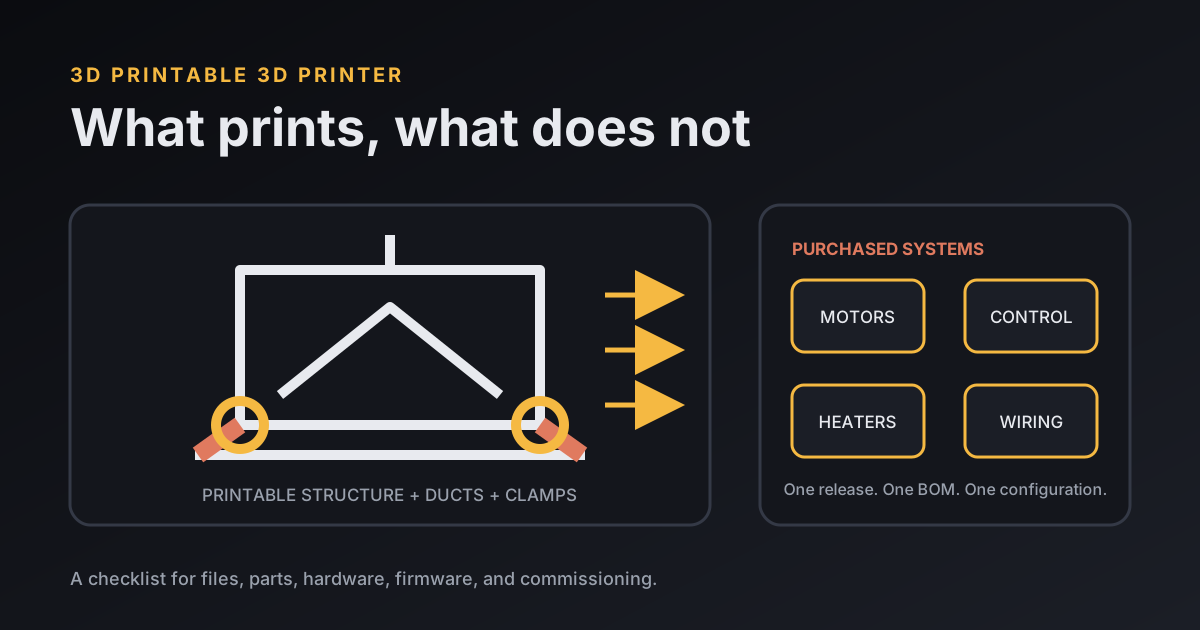
Can a 3D Printer Print Another 3D Printer? A Checklist
Check the release, printed parts, purchased hardware, firmware, wiring, calibration, and spares before building a printable printer.
Read the post › -
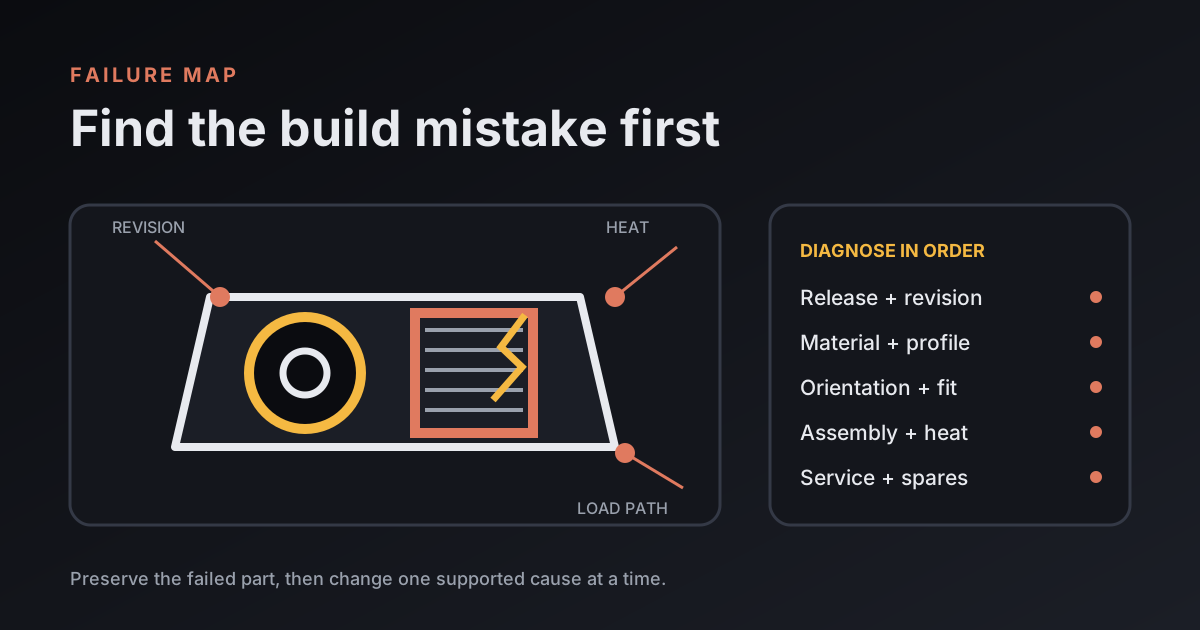
Common Build Mistakes in a 3D-Printed 3D Printer
Find mixed revisions, wrong polymers, weak orientation, distorted holes, excess fastener load, and poor service planning.
Read the post › -
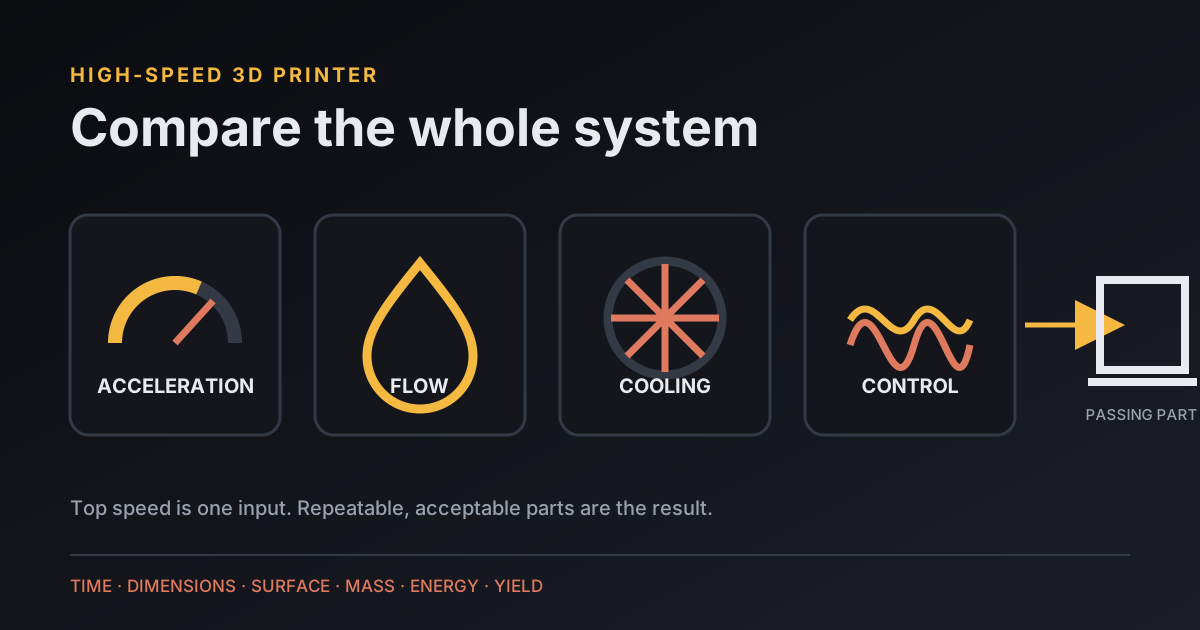
High-Speed 3D Printers: Compare the Numbers That Matter
Compare print time, acceleration, hotend flow, cooling, motion control, quality, and repeatability instead of top speed alone.
Read the post › -
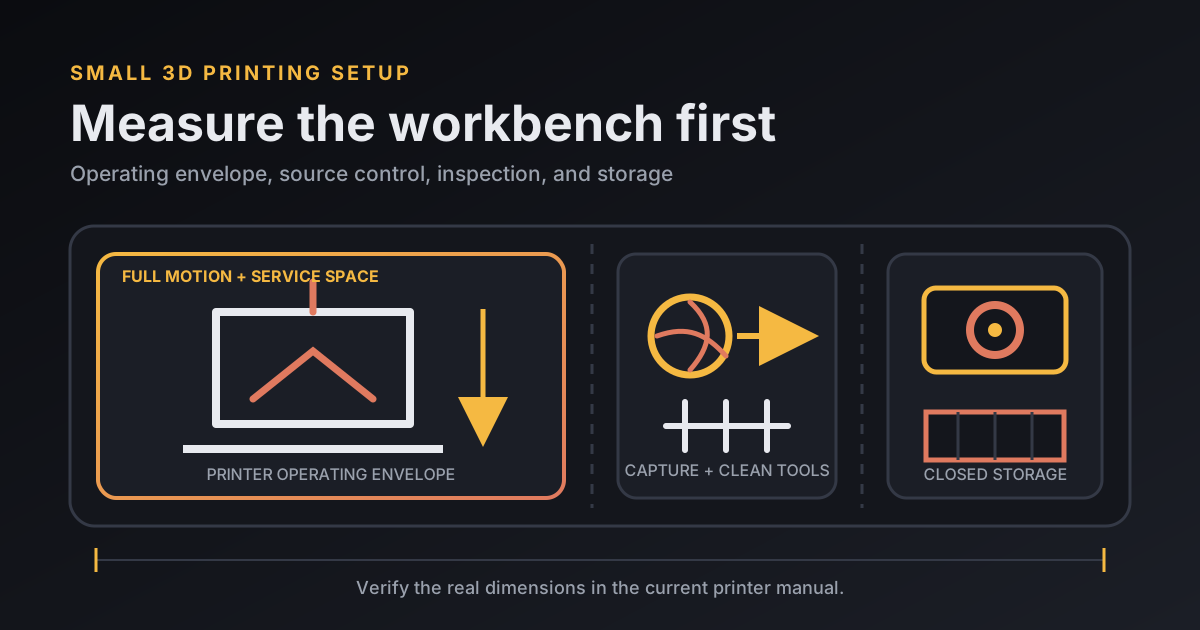
Small 3D Printing Setup: Measure the Workbench First
Map the printer's full operating envelope, ventilation, clean tools, material storage, and first supervised test before a long print.
Read the post › -
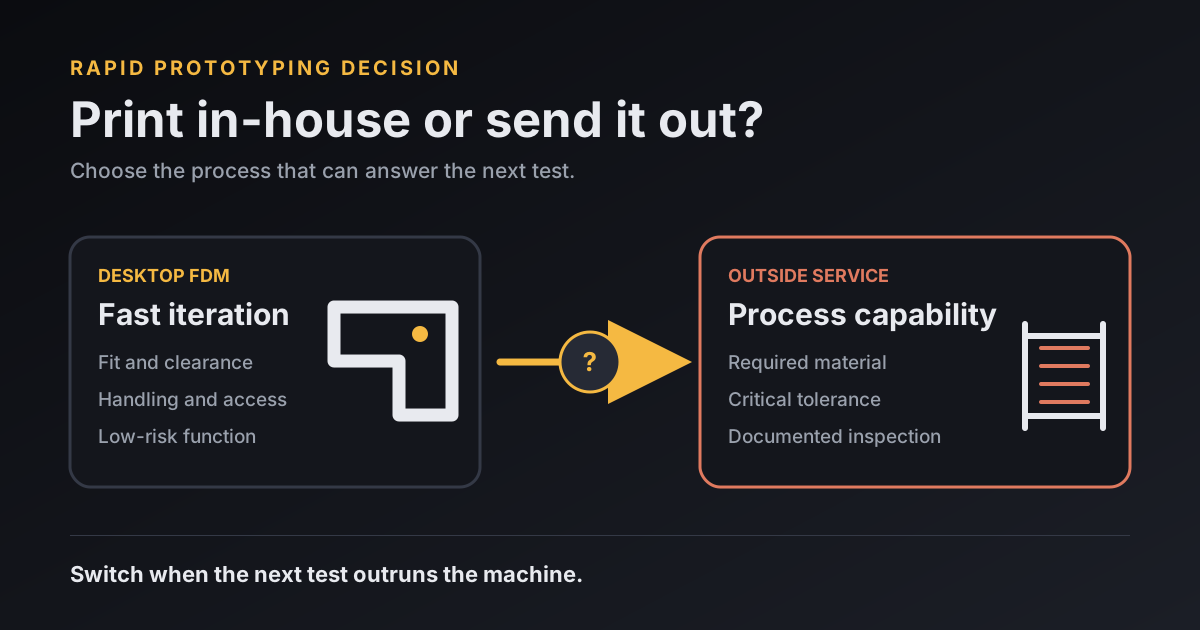
3D Printer Rapid Prototyping: In-House or Outsource?
Decide when desktop FDM can answer the next prototype question and when the job needs an outside process.
Read the post › -
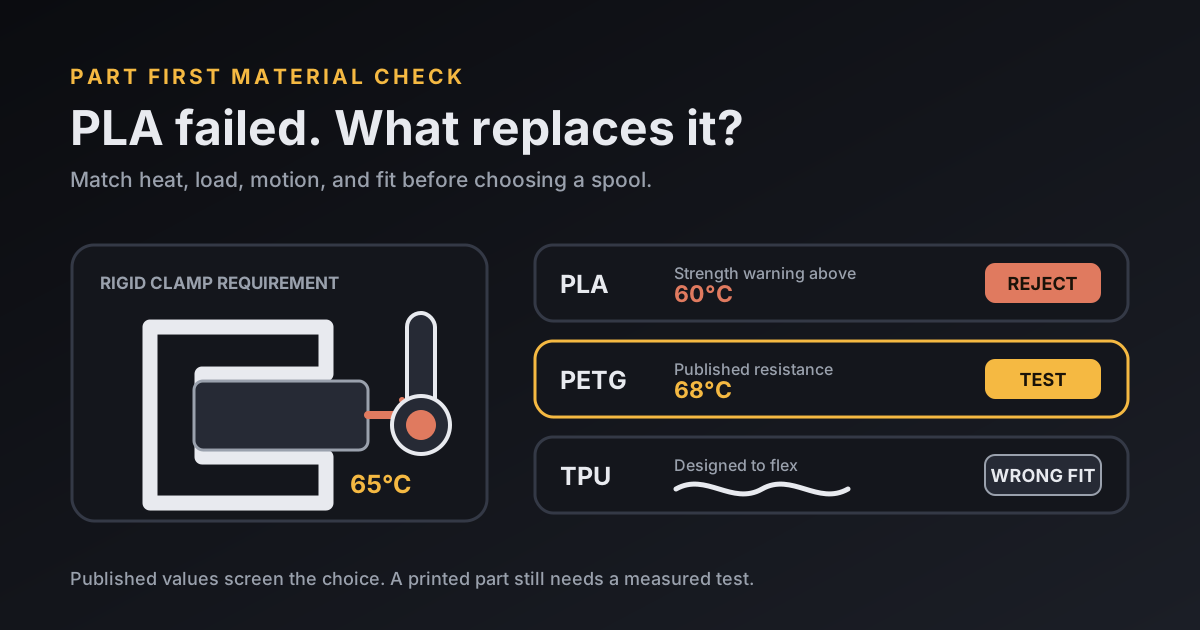
3D Printing Materials: Types, Properties & Uses
Compare thermoplastic filament, photopolymer resin, polymer powder, and metal feedstocks by properties, use cases, and workflow.
Read the post › -
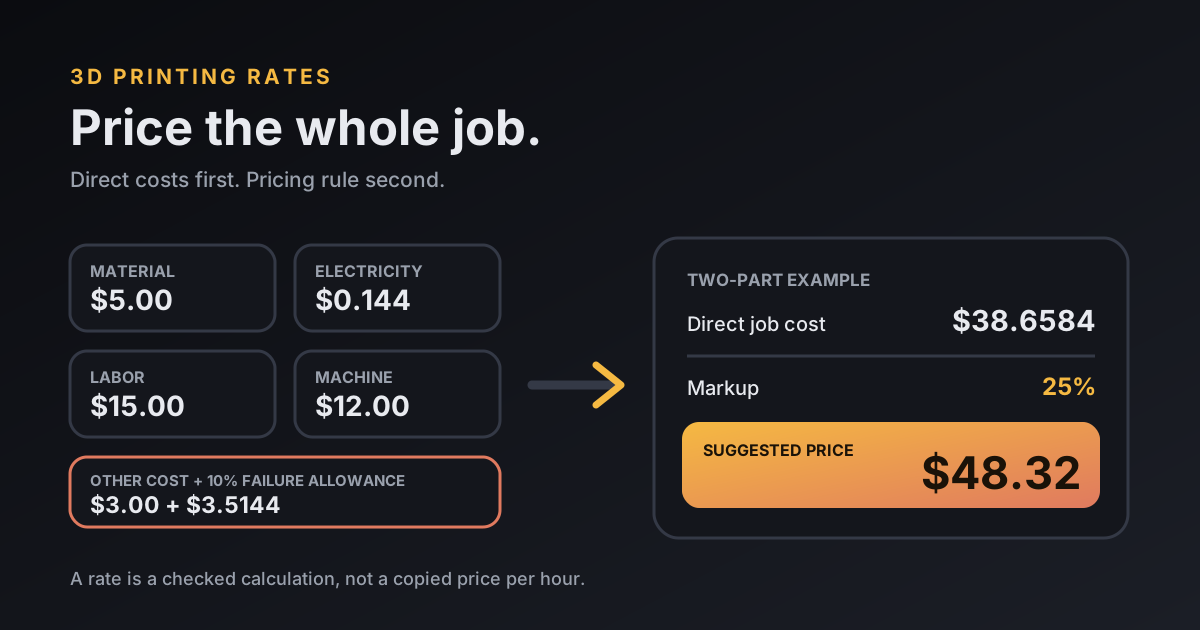
3D Printing Rates: Price a Small Job Step by Step
Build a rate from direct job costs, then apply markup or a target gross margin with the arithmetic shown.
Read the post › -
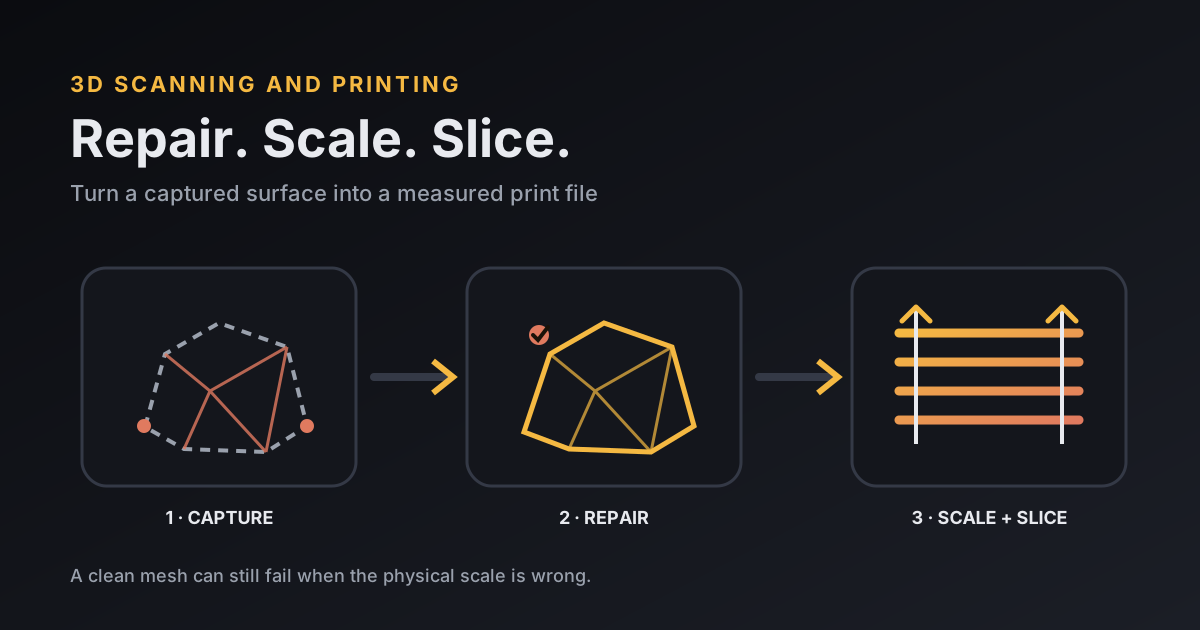
3D Scanning to Printing: Repair, Scale, Slice
Turn a captured surface into a printable file by repairing the mesh, correcting scale, and measuring a small test first.
Read the post › -
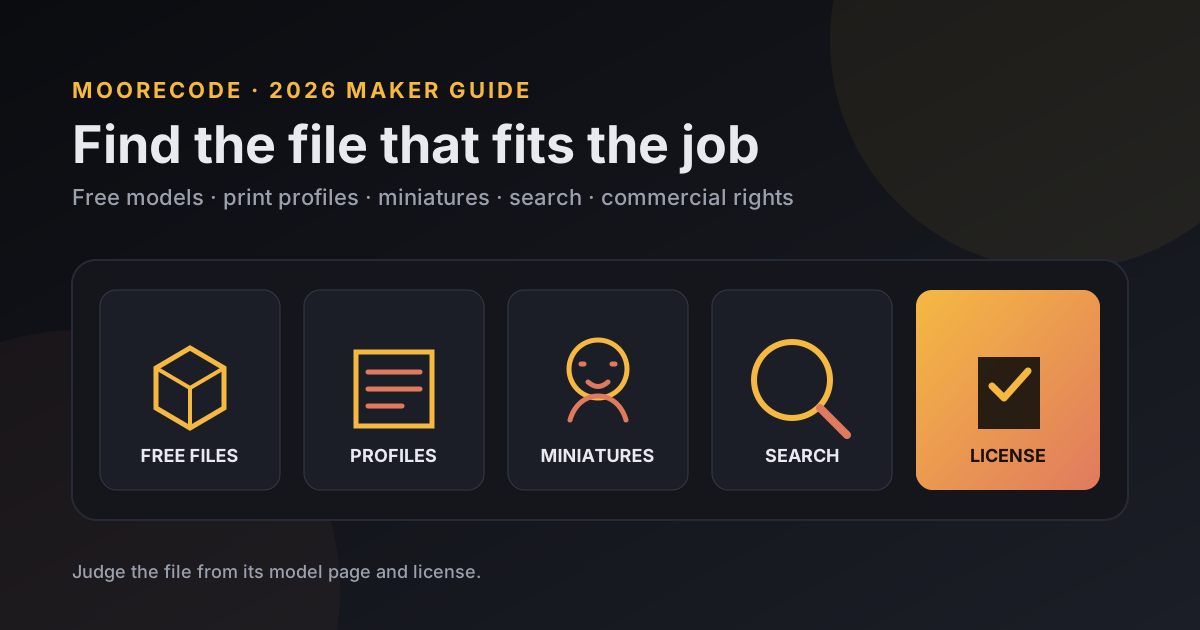
Best 3D Printing Websites for Files: 2026 Maker Guide
Five current model sites compared by free files, prepared profiles, miniatures, search, and commercial-use licensing.
Read the post › -
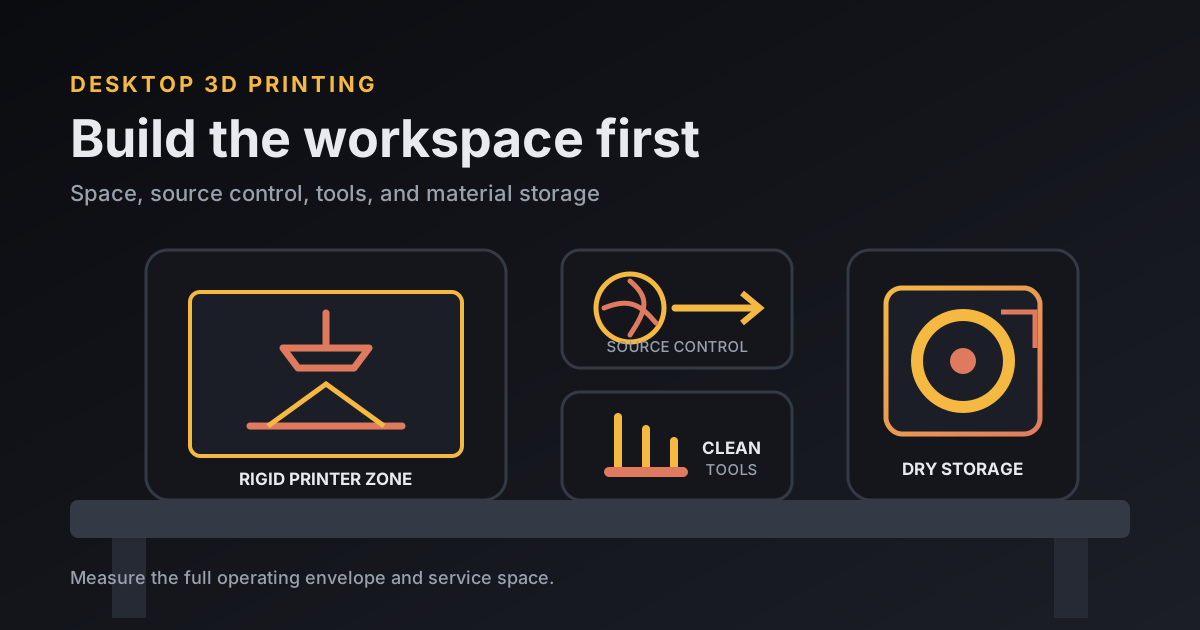
What Is Desktop 3D Printing? Types, Materials, Uses
Compare FDM and resin desktop printer categories, materials, uses, operating costs, and workspace requirements.
Read the post › -
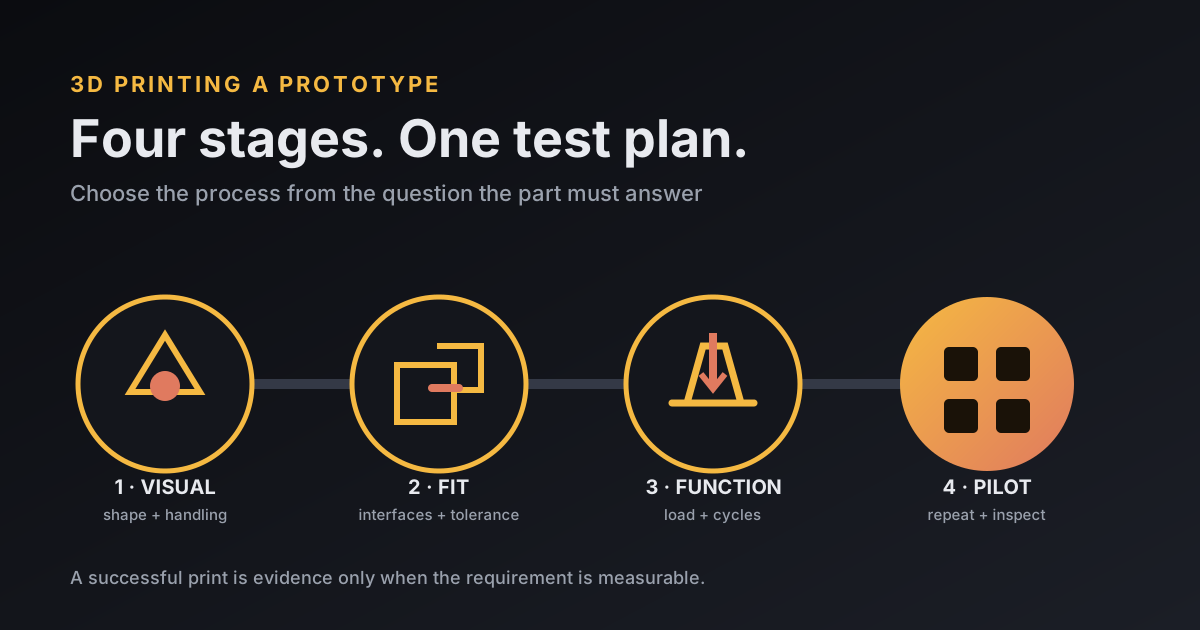
3D Printing a Prototype: Four Stages, One Test Plan
Map visual, form-and-fit, functional, and pilot prototypes to a process, material, and measurable result.
Read the post › -
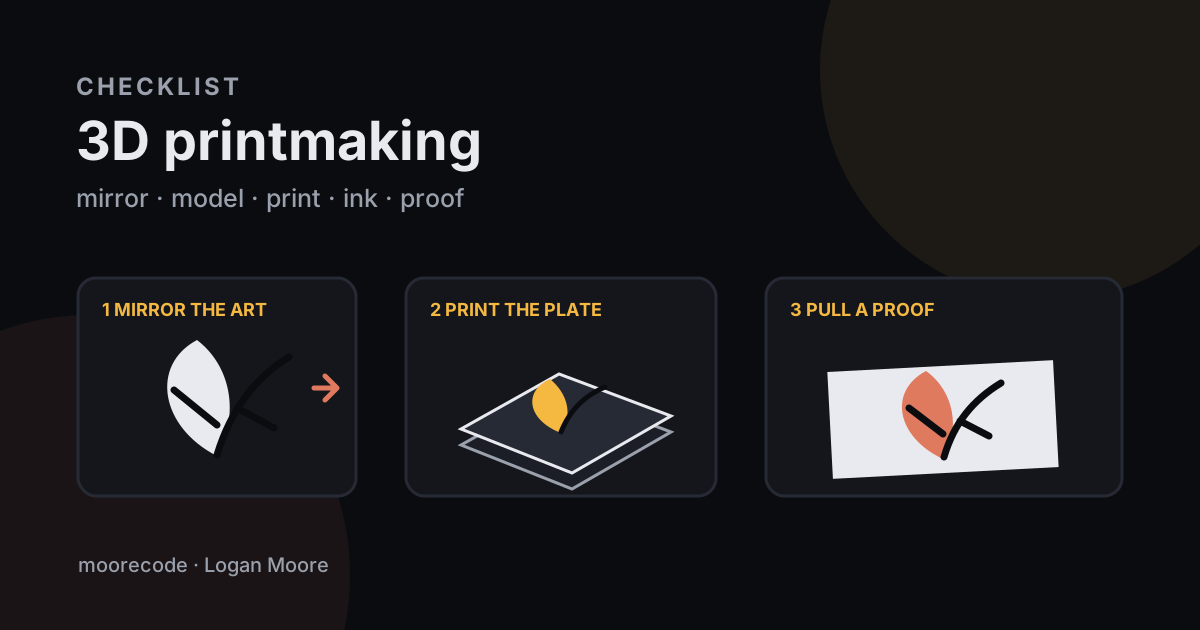
3D Printmaking Checklist: Mirrored Art to Inked Proof
A practical checklist for turning high-contrast artwork into a printable relief plate and a clean inked impression.
Read the post › -
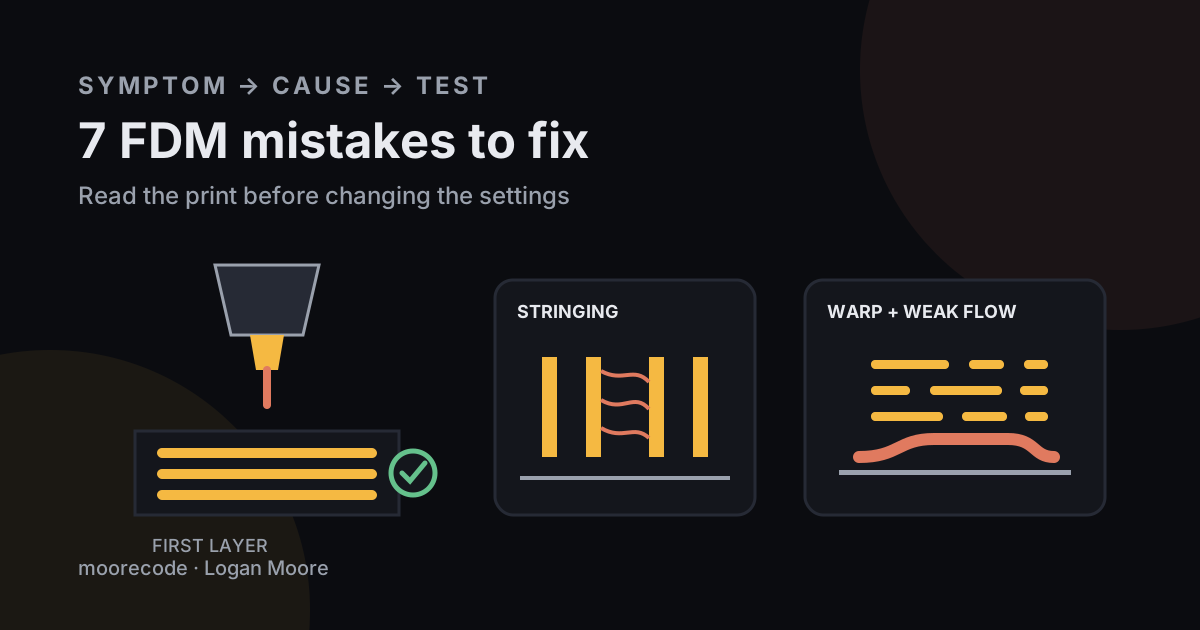
7 Fused Deposition Modelling Mistakes to Fix
A symptom-first guide to first layers, slicer profiles, flow limits, orientation, supports, and ventilation.
Read the post › -
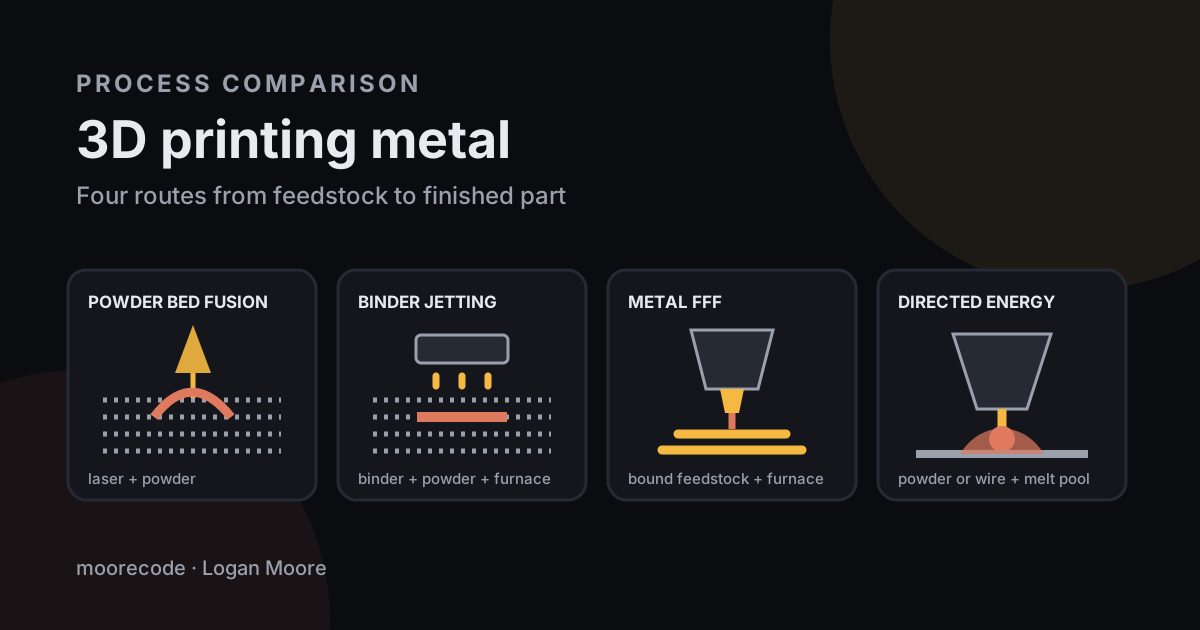
3D Printing Metal: Four Processes Compared
Powder bed fusion, binder jetting, metal FFF, and directed energy deposition compared by workflow and best use.
Read the post › -

PLA 3D Printing: Settings, Uses, PLA vs PETG
Start PLA with a compatible profile and first-layer test, then compare PETG and TPU when the part needs different properties.
Read the post › -
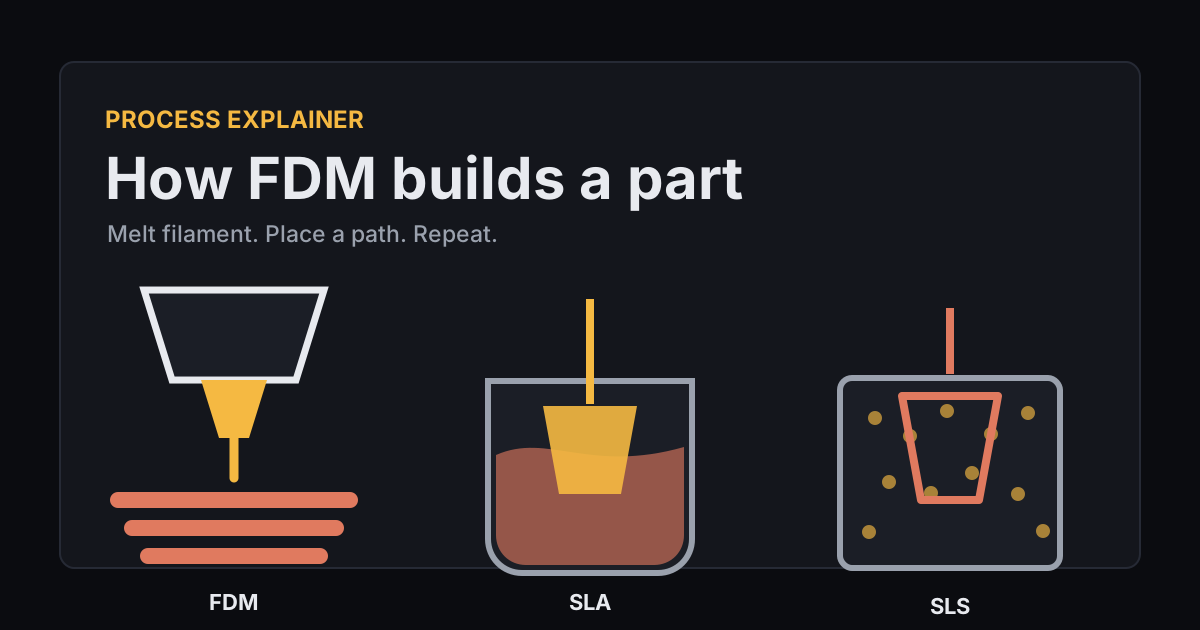
FDM vs. SLA vs. SLS 3D Printing: How They Work
How fused deposition modeling works, what it suits, and where SLA or SLS is the better process.
Read the post › -
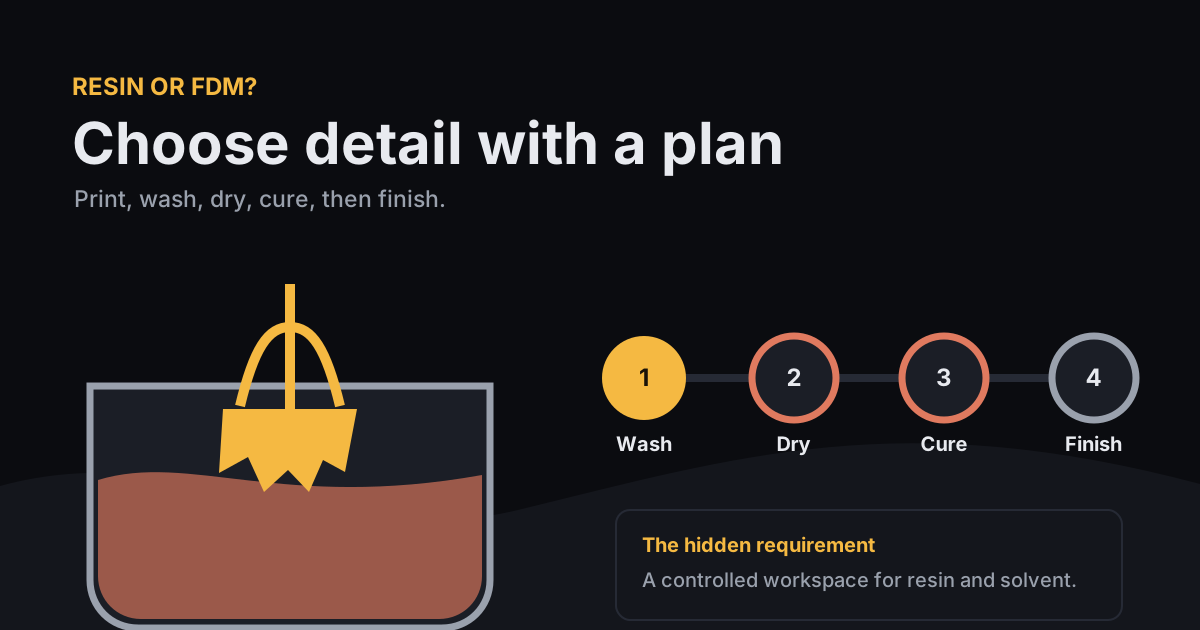
When Resin 3D Printing Beats FDM
A direct choice guide covering fine detail, safety, washing, curing, cleanup, and workspace needs.
Read the post › -

Free blackjack basic strategy trainer for iPhone compared
Five free iPhone blackjack basic strategy trainers compared on ads, in-app purchases, and rule settings. One of them is my own app.
Read the post › -

Billing & invoicing software pricing for service businesses
Five invoicing tools compared on plans, free-plan limits, and what 60 invoices a month cost on each.
Read the post › -

Mileage tracker for delivery drivers: what the IRS lets you deduct
Which delivery miles count as business miles, the 2026 IRS rates, and what a mileage log needs.
Read the post ›